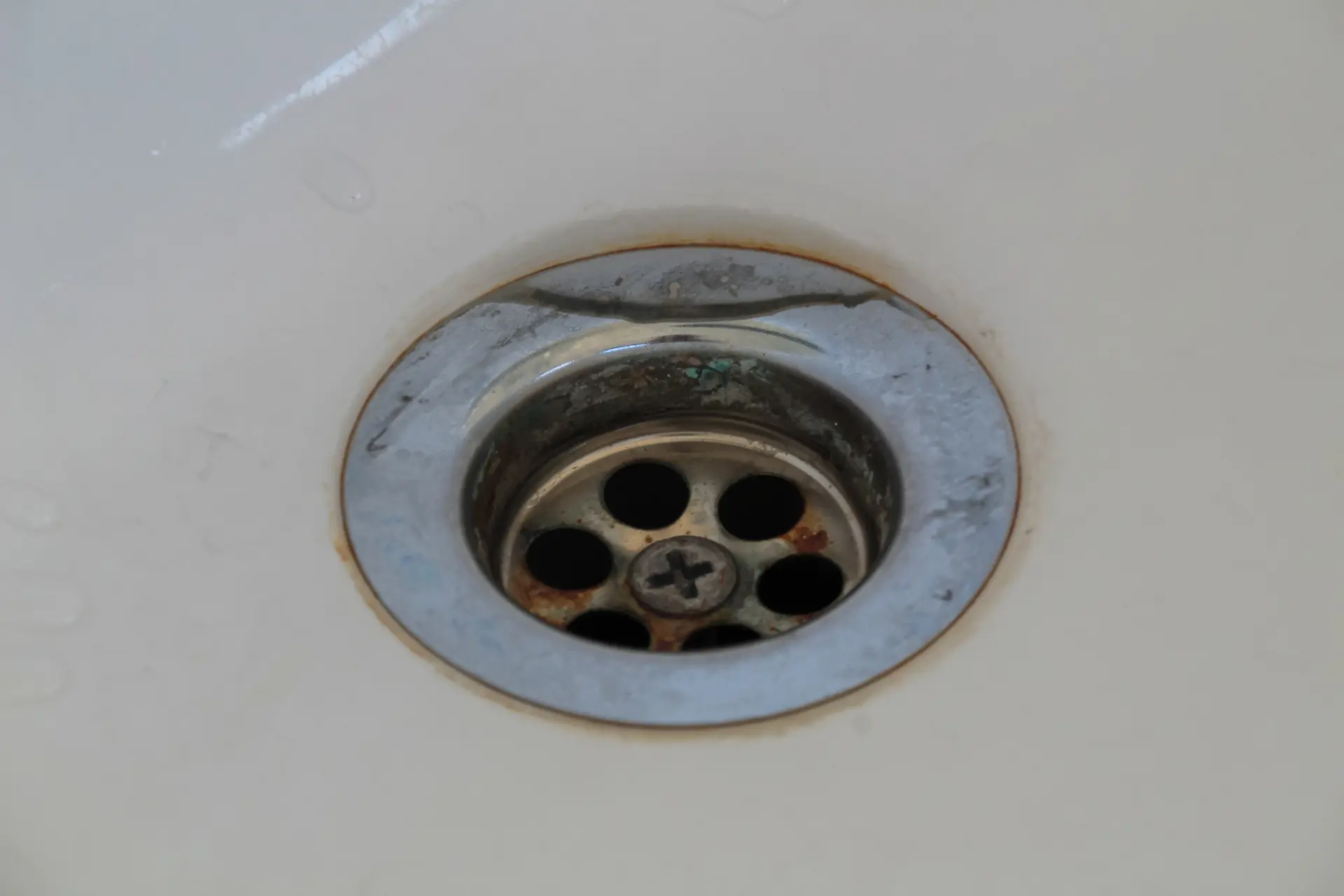
Spot the common signs your drains need attention, from odours to slow drainage. Keep your plumbing flowing smoothly with our professional drain inspection services.
Slow-Draining Water
Slow-draining water is a common sign that there's a build-up inside your drain's pipework. Everyday materials such as grease, soap, hair, food and debris can accumulate and harden in the pipes over time, which narrows the space water can pass through. As a result, water will begin to drain slower than usual from your sinks, baths or showers.
This issue can be made worse by older drainage systems or outdoor factors such as leaves and dirt entering the external drains. Heavy rainfall can also put added pressure on the pipes, which can make the slow drainage more noticeable during wet weather. When water can't flow away freely, it puts strain on the pipes, which can lead to a build-up. Over time, this build-up can develop into a full blockage, which will then cause the water to back up into your property.
Unpleasant Smells from Drains
Grease, food, soap and hair can build up in your drains over time and begin to break down. As this waste sits in the pipes, it can produce foul odours that rise back up through your sinks, toilets and external drains.
Outdoor drains can also contribute to this problem, especially if leaves, dirt and debris are trapped in the pipe and start to decay. If the issue isn't addressed, the smell can spread throughout your property and create an unpleasant living environment.
Unpleasant smells are often a by-product of slow-draining water. Since the water drains away slowly, some waste may not be flushed away properly. This allows debris to remain in the pipes for longer, which increases the risk of build-ups and odours forming. Over time, this can reduce the efficiency of the drainage system and put extra strain on the pipework.
Gurgling Sounds in Pipes
Gurgling sounds are often a sign that air is trapped inside the pipework. This usually happens when water can't move through the drain properly due to a partial blockage or restricted water flow.
As water passes through a narrow section of the pipe, trapped air is forced around it, which can create bubbling or gurgling noises.
These gurgling sounds can be caused by a build-up of grease, soap, hair, food or outdoor debris, and older drainage systems may be more likely to develop these issues, especially if the pipes are old, cracked or slightly misaligned. Heavy rainfall can also make this problem worse since it places more pressure on the already struggling drains.
Water Backing Up
Water backing up usually happens when a blockage prevents wastewater from flowing away properly. Instead of moving through the pipes, the water is forced back up into your sinks, toilets, baths or external drains, and it's often caused by a build-up of grease, food, hair, debris or items that shouldn't have been flushed.
Water backing up has a direct impact on the drainage system since it puts extra pressure on the pipes and can worsen any existing blockages or damage. If this issue is left unresolved, it can spread to other areas of the system and lead to more widespread drainage issues. This issue can also create hygiene concerns as well, since wastewater is often full of bacteria. In more severe cases, this issue can cause water damage, which can impact your floors, walls and furniture.
Frequent Blockages
Blockages can happen from time to time, but if your sinks, toilets, baths or showers keep blocking up, it often means that waste is building up inside the pipes or there's damage affecting the water flow.
Repeated blockages are often caused by grease, fat, food, hair and soap building up inside the pipes, and outdoor drains can also become blocked due to leaves, mud and other debris, especially during wet weather. In some cases, older pipework, tree root growth or cracked drains may be the reason the blockage keeps returning.
Frequent blockages stop water from flowing away properly, which puts pressure on the pipes and makes any small issues worse over time. Wastewater can also begin to drain slowly, bad smells can develop, and water may even back up into your property if the blockage becomes severe.
Repeated blockages also suggest that a simple surface clean isn't enough to solve the issue. If the root issue is deep in the drain system, the drain may need to be professionally cleaned or inspected to find the real problem.
Overflowing Outdoor Drains
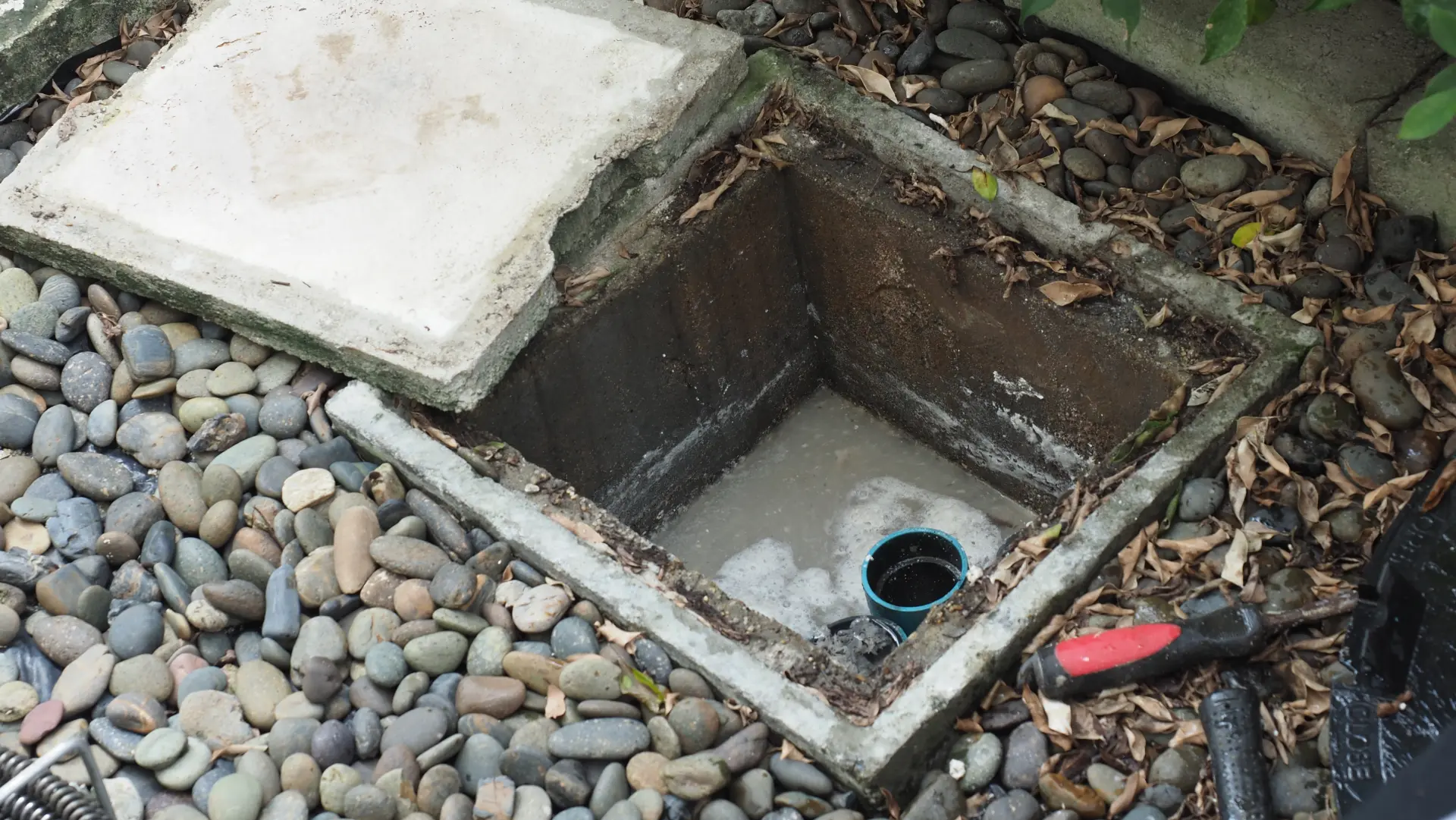
Overflowing outdoor drains usually occur when water can't flow away properly due to a blockage or a restriction in the pipes. Instead of draining as it should, the water rises and spills out of the gullies or inspection covers.
This issue is often linked to heavy rainfall, which can put pressure on your drainage system. Leaves, mud, litter and garden waste can also easily enter the external drains and build up over time. If this debris isn't cleared, it can restrict the water flow and cause the pipe to overflow.
Damp Patches Near Drains
Damp patches near your drain pipes are usually caused by leaks, cracks or blockages that allow water to escape from the drainage system instead of flowing away properly. Damp patches can form due to ageing pipes, poor connections or damage caused by ground movement or tree roots. External drains can also leak if the joints become loose or if trapped debris has caused pressure to build up inside the system.
Over time, even a small leak can create visible damp areas that can spread if the issue isn't fixed. Escaping water reduces the system’s ability to carry waste away, which can weaken the surrounding pipework and lead to cracks, more leaks or even partial collapses in severe cases. The presence of damp can also cause additional problems since moisture can damage your walls, flooring and foundations, and it can encourage mould to grow.
Changes in Toilet Water Levels
Water in your toilet bowl that rises higher than normal, drops lower than usual, or fluctuates after flushing can be a sign that there's something wrong within the drainage system. These changes are often linked to blockages, restricted water flow or air being trapped in the pipes. This issue can be caused by a build-up of waste such as paper, wipes or debris in the pipes, which can limit how water moves through the system.
Changes in your toilet's water level can also be connected to slow-draining water elsewhere in the property. If water isn't flowing away properly, it can disrupt how the drainage system handles air and waste. This can lead to uneven pressure, which can affect the toilet bowl and cause gurgling sounds or inconsistent flushing.
Pests Around Drain Areas
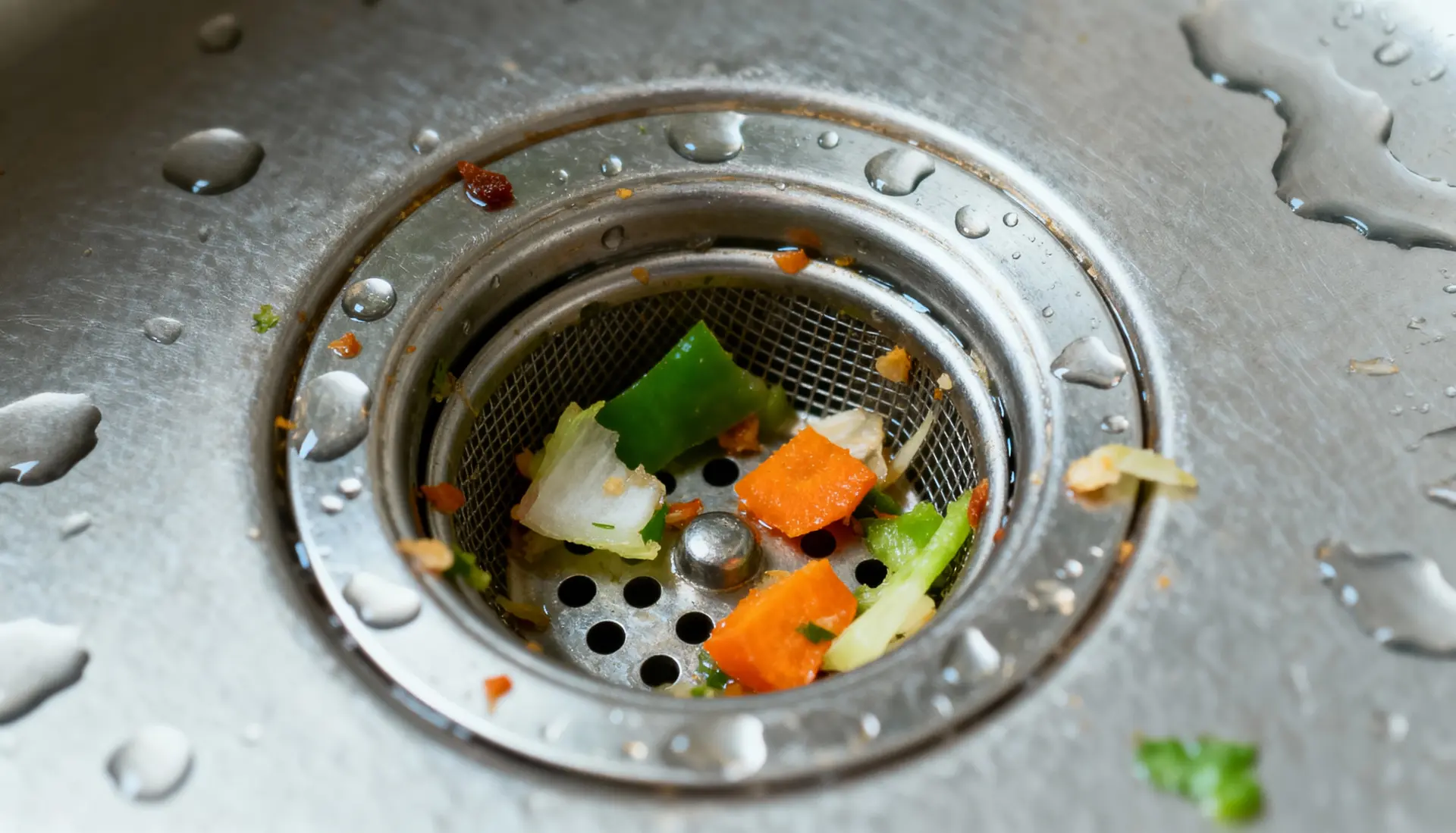
Waste, stagnant water or debris that's built up in or around the drainage system can quickly become an attractive place for pests to feed, hide or breed.
Common pests like flies, rats and other insects are attracted to foul smells, standing water and waste build-ups. Outdoor drains are especially vulnerable, too, since leaves, food waste, silt and rubbish can also accumulate over time and become new nesting and feeding areas for rats and insects.
Rats, in particular, can enter damaged drains and move through pipe networks, which can increase the risk of contamination and pipe collapses.
If a drain is cracked or leaking, pests can continue returning to the system until the fault is repaired. This issue can also affect your hygiene and comfort since pests are known to spread germs, create unpleasant smells and make any area feel unclean.
When to Call a Professional
You should call a professional when signs like slow-draining water, unpleasant smells, gurgling sounds, or frequent blockages begin to appear. While some of these issues may seem small at first, they can often point to a deeper problem that's hidden within the drainage system.
You should also seek professional help if water starts backing up into your sinks, baths or toilets, since this is a stronger sign that the drainage system is struggling to cope.
At Merseyside Drainage Solutions, we provide professional drain maintenance services to help keep your drainage systems clear, clean and working properly. We ensure your drains remain efficient, safe and hygienic.