Discover effective tips on how to prevent blocked drains at home, including drain covers, proper food waste disposal, and regular maintenance for peace of mind.
Be Careful What Goes Down the Sink
Being careful what you put down the sink is one of the simplest ways to prevent blocked drains at home. Many everyday items can seem harmless when they're washed away, but they can build up inside the pipework and cause serious drainage problems over time.
One of the biggest causes of blocked drains is grease, fat and oil that's been flushed down the sink. When these liquids are poured down the sink, they may go in warm, but then they cool down and harden inside the pipes, creating a sticky layer that catches other waste and gradually narrows the space for water to pass through.
Food scraps can also add to the problem, especially items like rice, pasta, coffee grounds and peelings, which can swell up or clump together in the pipes. Using sink strainers, scraping plates into the bin and letting grease cool down before throwing it away can all make a big difference. By being more careful with what goes down the drain, you can reduce the risk of blockages, bad smells and slow-draining water.
Avoid Pouring Grease and Oil Away
Not pouring grease or oil down the sink is one of the most effective ways to prevent blockages. Although grease and oil may seem harmless when they're hot, they can quickly cool down and solidify once they're inside the pipes. As they harden, they can stick to the inner walls of the drain and form a thick layer that restricts the water flow. Over time, this build-up can become worse since other waste, such as food and debris, can stick to the greasy surface. This can lead to issues like slow drainage and blockages.
One simple way to prevent this is to let grease and oil cool down before disposing of them in the bin. Wiping down your pans and plates with kitchen paper before washing them can also help reduce the amount of oil or grease entering the drain. Strainers can also catch any remaining particles and prevent them from going into the pipes.
Use Drain Covers
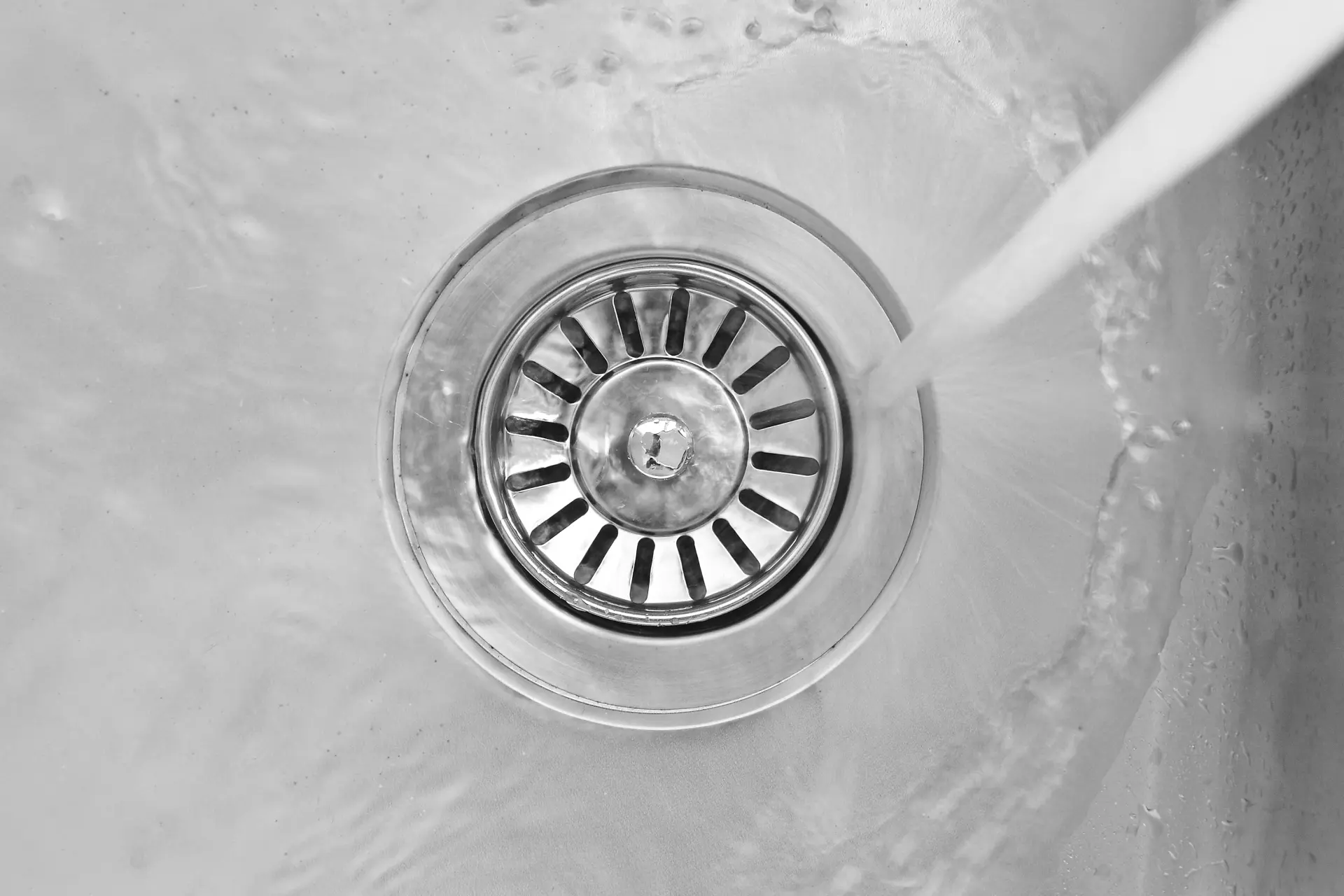
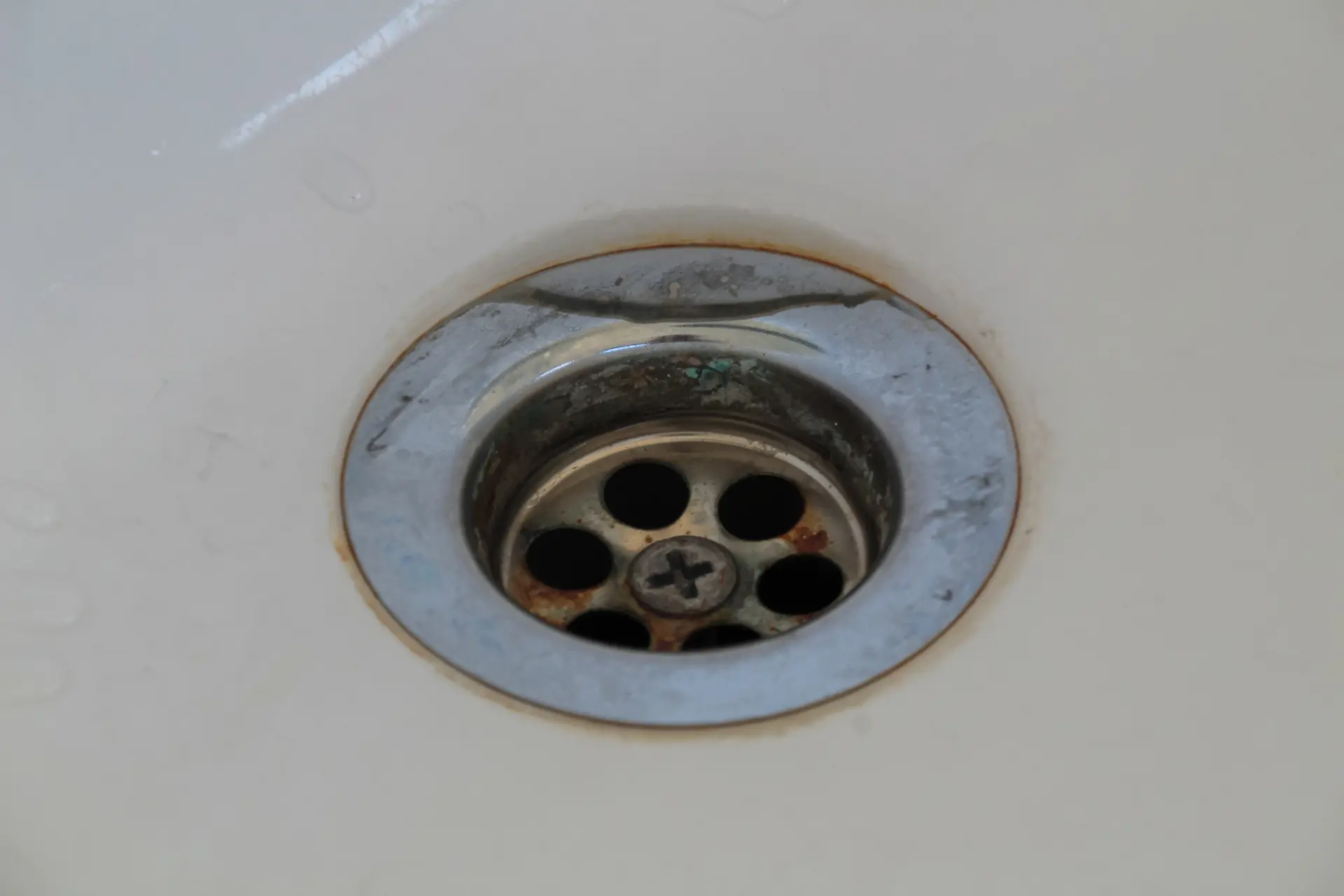
Using drain covers is a simple and effective way to prevent blocked drains. These small devices sit over the plughole and act as a barrier that stops unwanted debris from entering the drainage system.
One of the main causes of blocked drains is the build-up of hair, food, soap and small particles. Drain covers catch this waste before it enters the pipes, making it easy for you to remove and dispose of it in the bin. This reduces the amount of debris that enters the drainage system and helps keep the water flowing freely.
Clean Drains Regularly
Even when a sink, bath or shower appears to be working normally, small amounts of waste can slowly accumulate over time. Regular cleaning helps clear away this waste before it turns into a larger blockage. This can mean removing food waste and washing away any light residue before it has the chance to harden, or pulling out hair and cleaning up any soap residue.
Simple routine cleaning can also help reduce unpleasant smells, since trapped waste is often the cause of bad odours around sinks and plugholes. However, cleaning drains regularly doesn't replace professional maintenance services if a deeper problem is present, but it does help prevent minor issues from worsening.
Dispose of Food Waste Properly
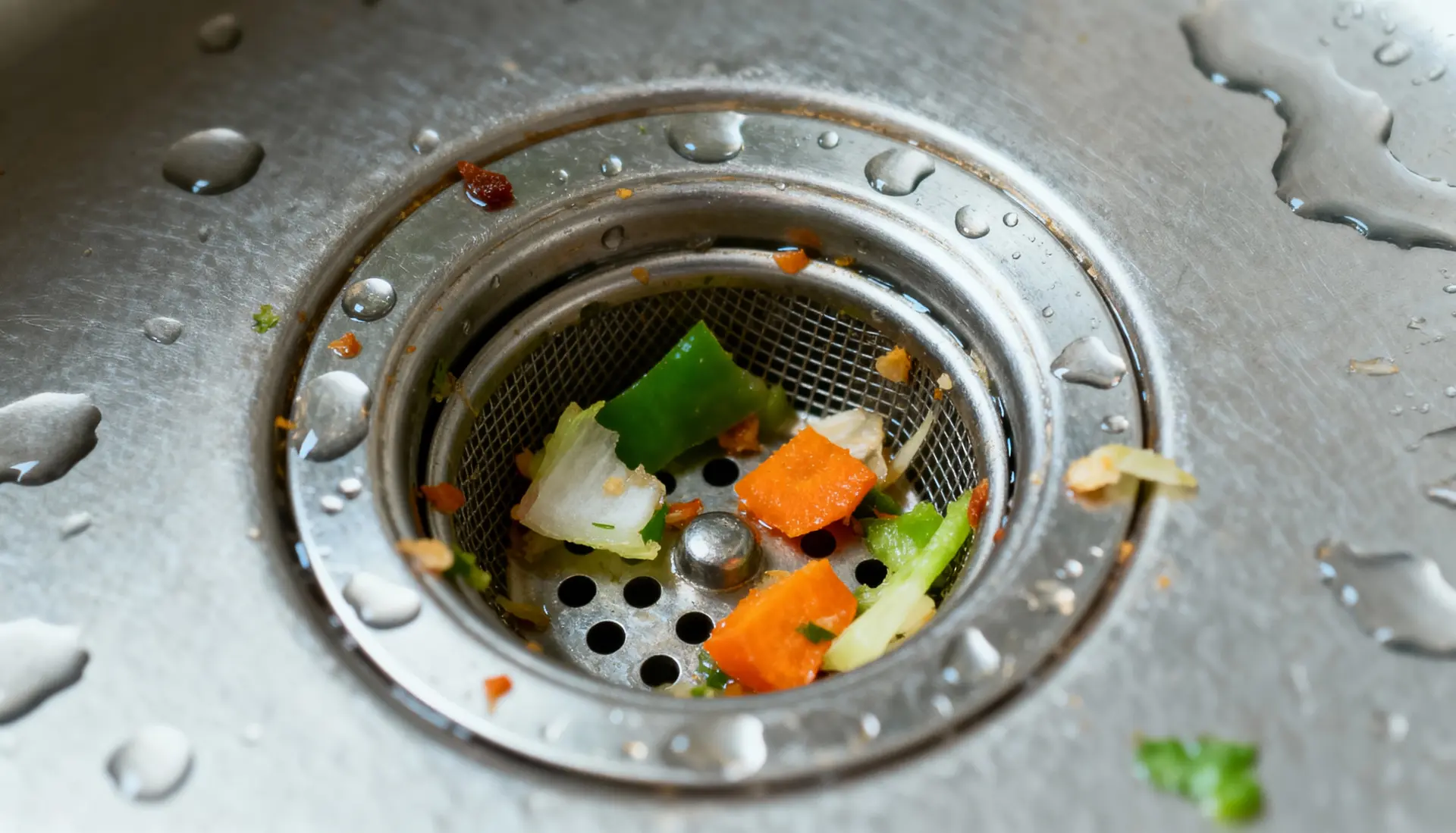
When food scraps are washed down the sink, they can collect inside the pipes and create a blockage over time. Certain foods are more likely to cause problems than others, such as rice, pasta and bread, since they can swell up when exposed to water, making them more likely to clog up the pipes.
Coffee grounds, vegetable peelings and leftover scraps can also gather in the pipes and form thick layers that restrict the water flow. By putting your food waste in the bin instead of the sink, you can reduce the amount of debris that enters your drainage system.
Keep Hair Out of Bathroom Drains
Keeping your hair out of your bathroom drain is a simple but important way to prevent blocked drains. Hair is one of the most common causes of blockages since it can easily slip down plugholes during baths and showers. Once the hair is inside the pipes, it can become tangled and form clumps that trap other debris, such as soap and dirt.
Over time, this build-up can restrict the water flow and cause issues such as slow-draining sinks, baths or showers. In many cases, hair-related blockages can be difficult to remove without the proper tools or professional help. However, installing a drain cover or a hair catcher over the plughole can help stop hair from entering the pipes in the first place.
Only Flush Suitable Items
Toilets are designed to handle human waste and toilet paper only, so when other items are flushed, they can cause serious problems. The common items that should not be flushed include wet wipes, sanitary products, cotton pads, nappies, paper towels and cleaning cloths. Even products that are labelled as flushable can still cause issues since they often stay intact longer than toilet paper. Once these items enter the pipes, they can catch on rough surfaces, bends or existing debris and begin to form a blockage.
The best way to avoid this is to keep a bin in the bathroom for anything that shouldn't be flushed. This makes it easier for everyone to dispose of their waste properly. By only flushing suitable items, you can protect your drains, keep your toilets working properly and reduce the risk of expensive repairs.
Check Outdoor Drains and Gullies
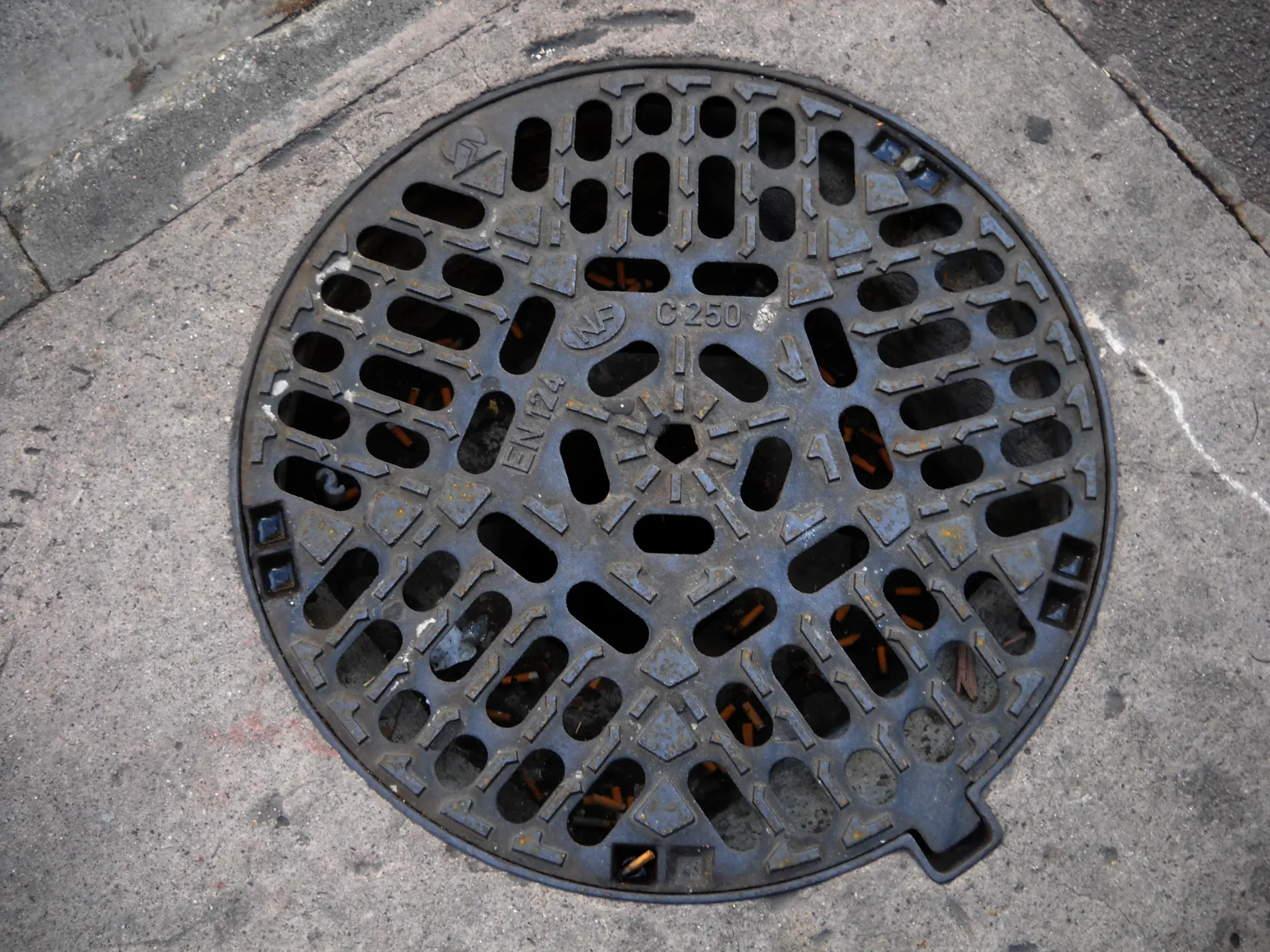
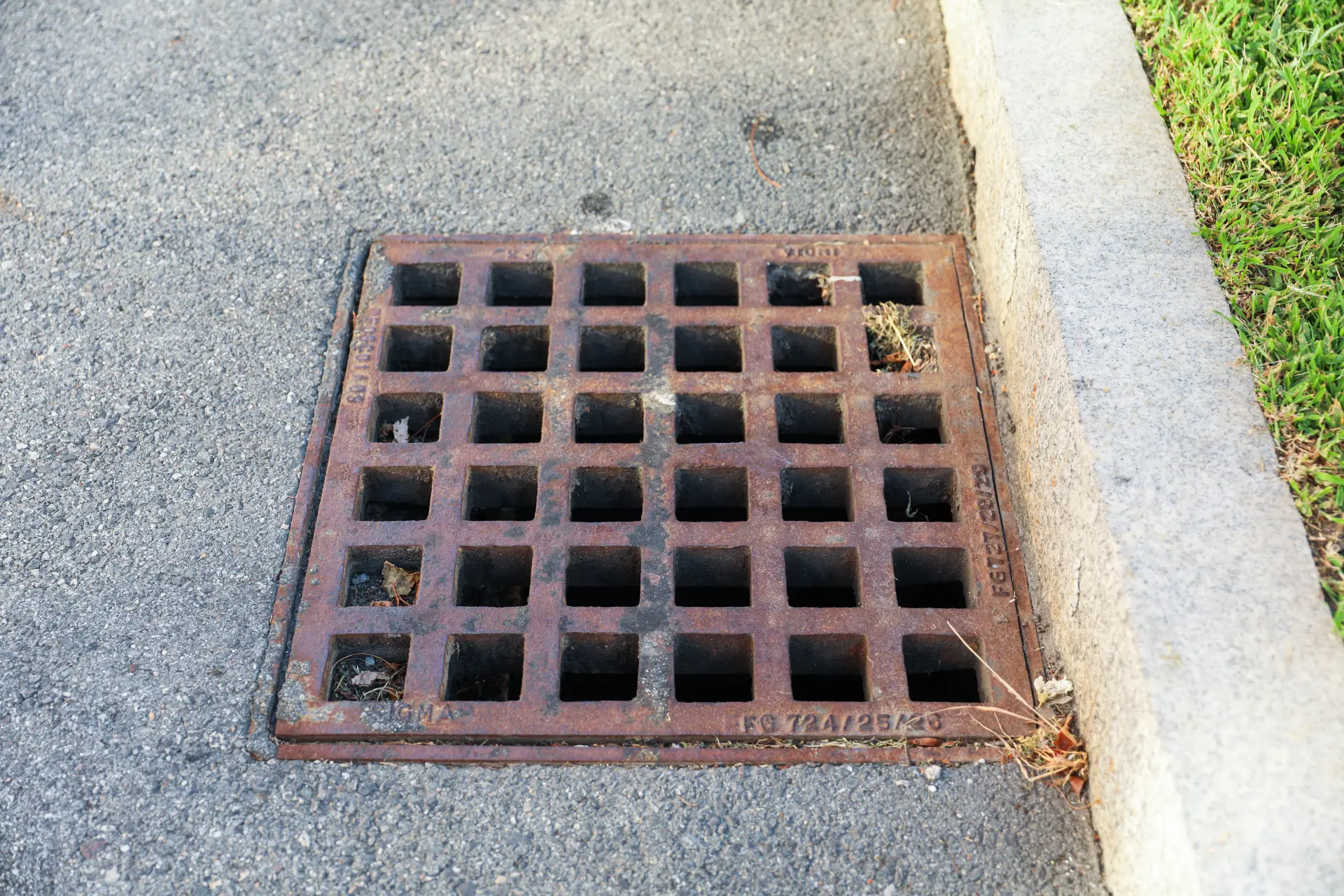
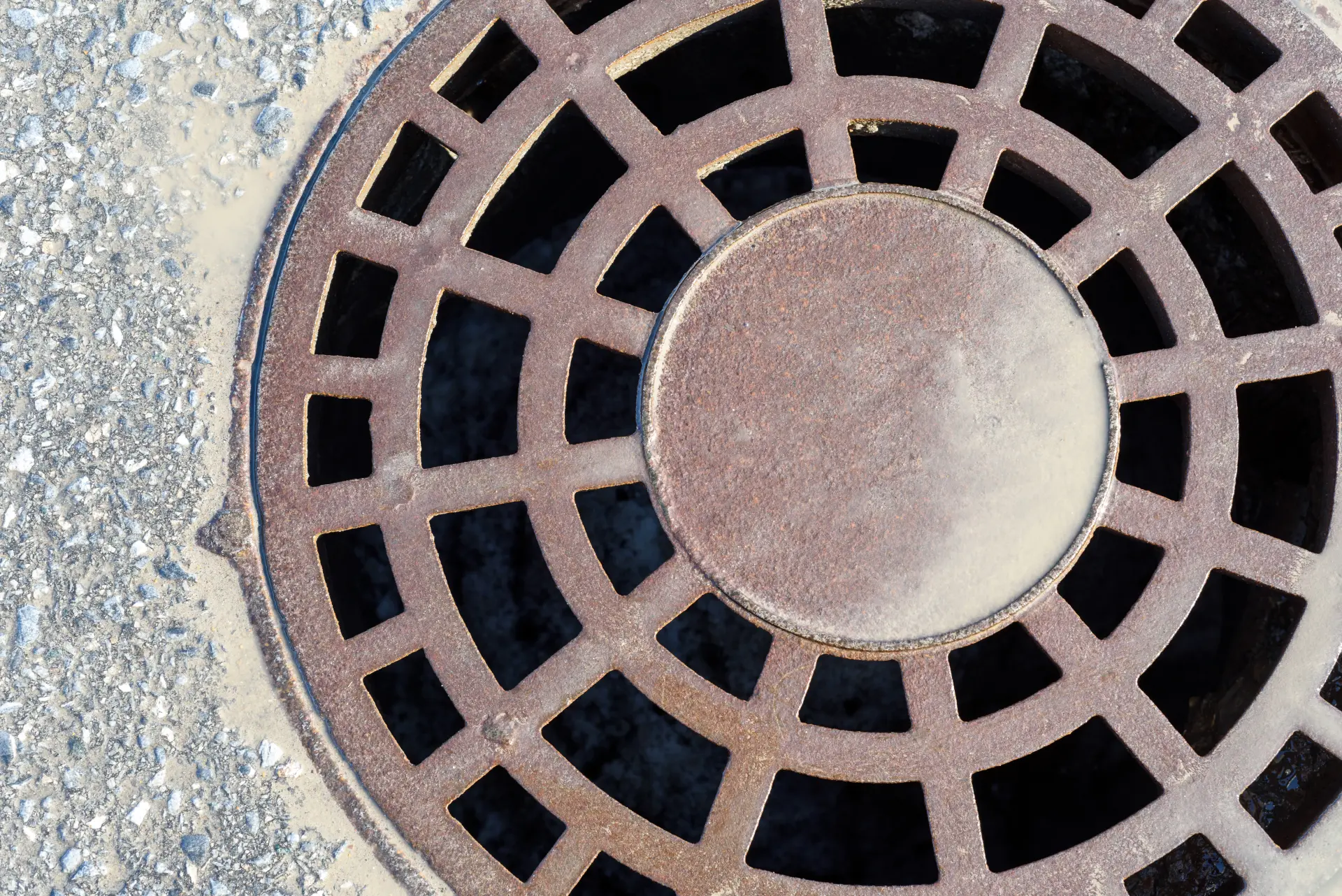
Your outdoor drains and gullies are designed to carry rainwater and surface water away from your property, but they can easily become blocked by leaves, mud, moss, litter and other debris. If this material is left to build up, it can stop water from flowing away properly.
Clearing away visible debris from the gullies, grates and drain covers can help you keep the water moving freely. Checking your outdoor drains can also help you identify signs of damage, such as broken covers, cracks or signs of poor water flow, and spotting these problems early on can make them easier to deal with. By keeping your outdoor drains and gullies clear, you can reduce the risk of blockages and keep your pipes clean and efficient.
Watch for Early Warning Signs
Keeping an eye out for early warning signs is a simple but effective way to prevent blocked drains. The most common warning signs to look out for are slow-draining water, unpleasant smells, gurgling sounds and frequent blockages. These signs usually indicate that waste is starting to build up inside the pipes.
When these signs appear, you can take simple steps to resolve the issue, such as cleaning the drain, removing visible debris or adjusting your daily habits - such as being more careful about what goes down the sink.
When to Get Professional Help
While minor blockages can sometimes be managed with basic cleaning, there are clear signs that expert support is needed. If a blockage keeps returning, it usually means there's a deeper issue hidden within the drainage system. Repeated problems often point to a build-up that's deep in the pipes or possible damage that can't be reached easily.
You should also seek professional help if water begins to back up into your property. This is a serious issue that can lead to hygiene risks and property damage if it's not dealt with quickly. Drain specialists have the right tools and experience to identify the root cause of the problem and carry out the right repairs.
At Merseyside Drainage Solutions, we provide professional drain maintenance services to help keep your drainage systems clear, clean and working properly. We ensure your drains remain efficient, safe and hygienic.